

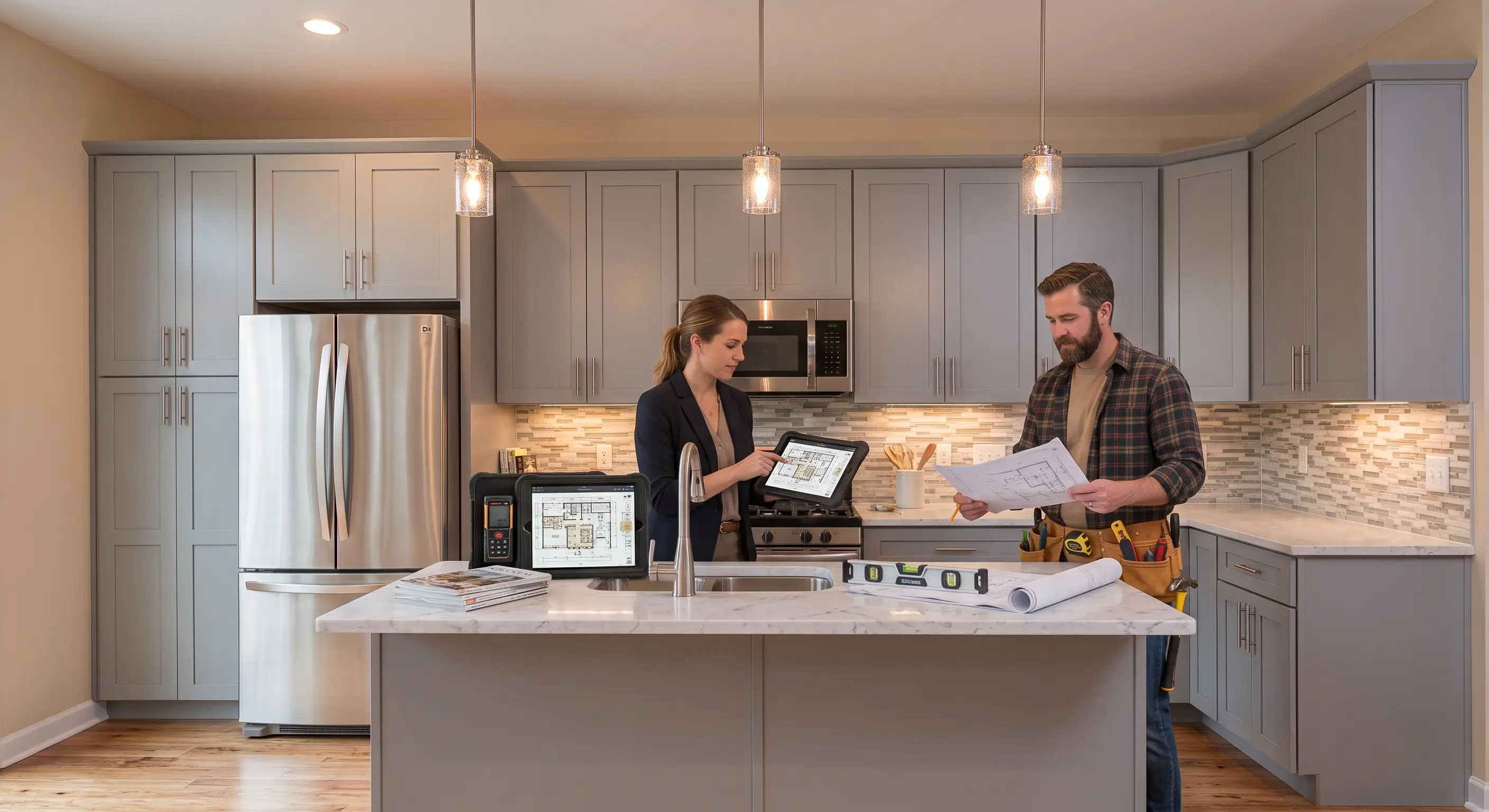
A rental property that used to rent itself in a week now sits on the market for weeks. That's the new reality for Boston landlords in 2026, and it changes how every renovation decision should be made.
Massachusetts' rental vacancy rate climbed to 3.4% in 2025, up from a recent low of 2.5% in 2023, according to U.S. Census Bureau data. Rental property owners across the state, including in Boston, are facing more competition for tenants than they were a couple of years ago. Every dollar spent on property upgrades now has to do two jobs at once. It needs to attract tenants and protect return on investment.
That's the tension at the center of most renovation projects. Chase one goal too hard and you lose the other. Here's how to plan rental property renovations that keep tenant appeal and investment returns working together instead of against each other.
Key Takeaways
- Dual-purpose upgrades like energy-efficient appliances and smart home technology tend to satisfy both tenants and your bottom line
- Minor, targeted upgrades often outperform full renovations on return on investment
- Realistic rent projections should guide your renovation budget, not the other way around
- Communication and legal compliance protect tenant satisfaction during occupied renovations
Why Renovation Decisions Are Rarely One-Size-Fits-All
Every renovation project pulls in two directions, and knowing which one you're leaning toward changes your whole approach.
Tenant-focused renovations prioritize comfort and daily experience. Think fresh paint, an in-unit washer, or outdoor space that makes a unit feel like home. These upgrades speak directly to tenant expectations and tenant demands, and they're often what turns a showing into a signed lease.
Investment-focused renovations prioritize rent growth and resale value. These are the property improvements that raise market value and increase property value over time, even if tenants barely notice them day to day. Roof repairs and mechanical systems fall here.
Neither approach is wrong on its own. But a rental property owner who leans too far in one direction usually ends up disappointed, either with a beautiful unit that doesn't pencil out or a profitable one that quality tenants pass over.
How to Balance Tenant Appeal and Investment Returns
Balancing the two isn't guesswork. These four steps make it repeatable.
Start With Upgrades That Serve Both Priorities
Smart home features, energy-efficient appliances, and durable mid-range materials tend to satisfy tenants and appraisers alike. They boost tenant satisfaction while also supporting property value.
Set a Budget Tied to Realistic Rent Increases
Before committing to a full renovation, estimate how much higher rent the upgrade can actually justify. If the numbers don't support the renovation costs, scale back to targeted upgrades instead.
Prioritize Based on Your Specific Tenant Market
A property near universities or hospitals may need different upgrades than one in a family neighborhood. Know your local market before you spend.
Phase Projects to Protect Cash Flow
A complete renovation all at once can strain your budget. Spreading property renovations across turnovers keeps upfront costs manageable while still moving toward a fully renovated properties portfolio.
Upgrades That Deliver the Strongest Combined Payoff
Some upgrades consistently pay off on both sides of the ledger. Here's where to focus:
- Kitchen and bathroom improvements tend to lead. Minor kitchen remodels have climbed to a 113% return on investment according to recent cost vs. value data, while major kitchen overhauls return far less. That gap matters for rental property renovations too. Refacing existing cabinets, adding luxury vinyl plank flooring, and swapping in energy-efficient models instead of gutting the whole space is usually the smarter, cost-effective play.
- Smart locks and energy efficiency upgrades drive tenant retention. Installing energy-efficient appliances and smart thermostats appeals to eco-conscious tenants and cuts long-term maintenance expenses at the same time. Adding energy-efficient appliances also gives you a clean, marketable line item when advertising the unit to prospective tenants.
Platinum Realty Group helps Boston property owners map renovation budgets against real rent projections before a single wall comes down.
Minimizing Tenant Disruption Without Cutting Corners
Smart renovations account for the people living through them, not just the finished product. Here's what to keep in mind:
- Clear, early communication keeps tenants on your side. Give notice, explain the timeline, and be upfront about what parts of the living spaces will be affected. This protects tenant confidence and helps prevent tenant turnover during the process.
- Occupied unit renovations come with legal obligations. Massachusetts landlord-tenant law sets specific rules around notice and habitability during renovation work, so confirm requirements before scheduling contractors.
Measuring Success After the Renovation Is Complete
A renovation project isn't finished until you know whether it worked. Here's what to check:
- Track rent growth, vacancy rate, and renewal rate post-renovation. If your renovated properties are commanding higher rent and higher tenant retention rates, the strategy is working. If maintenance costs are climbing faster than rental income, something needs adjusting.
- Watch for signs you've over-improved for your market. Aesthetic improvements that outpace what competing properties offer in the same competitive rental market rarely pay back their full cost. Match your finishes to what the local market actually supports.
What Boston Landlords Want to Know Before Renovating
Q: How long should a typical unit renovation take?
Most cosmetic renovations (paint, flooring, fixtures) take one to two weeks between tenants. Full renovations involving plumbing or electrical work can take four to six weeks.
Q: Can renovation costs be passed on to tenants through rent increases?
Yes, within limits. Renovation costs can justify higher rental rates at lease renewal or turnover, but increases must comply with Massachusetts notice requirements and any local rent regulations.
Q: Should renovations happen between tenants or during occupancy?
Between tenants is usually easier and less disruptive. Occupied renovations are sometimes necessary for major systems, but they require more planning, advance notice, and often reduced rent during the work.
Renovating With Both Eyes Open
Balancing tenant appeal and investment returns isn't about picking a side. It's about choosing strategic renovations that make a rental property stand out in a competitive market while still protecting the numbers behind it. The owners who get this right aren't guessing. They're working with a plan and a clear read on what their local market rewards.
Every dollar spent should either bring in a better tenant, support a higher rent, or cut long-term maintenance expenses down the road. Renovations that miss all three quietly drain a rental property's return on investment.
Don't leave your next renovation to chance. Partner with Platinum Realty Group and put your property's biggest investment to work.
Additional Resources:
- Best Boston Neighborhoods for Rental Property Investment
- Should I Hire a Property Manager for My Boston Rental Property?
- Property Inspection and Setup Process for New Clients in Boston, MA Rentals